Missing the Boat
Much has changed in rowing in the last 25 years. So why is it only 0.55% faster?
A free white paper from Olympic champion Tim Foster MBE: 25 years of championship data, the 10 biggest changes in rowing, and the question the sport needs to answer.
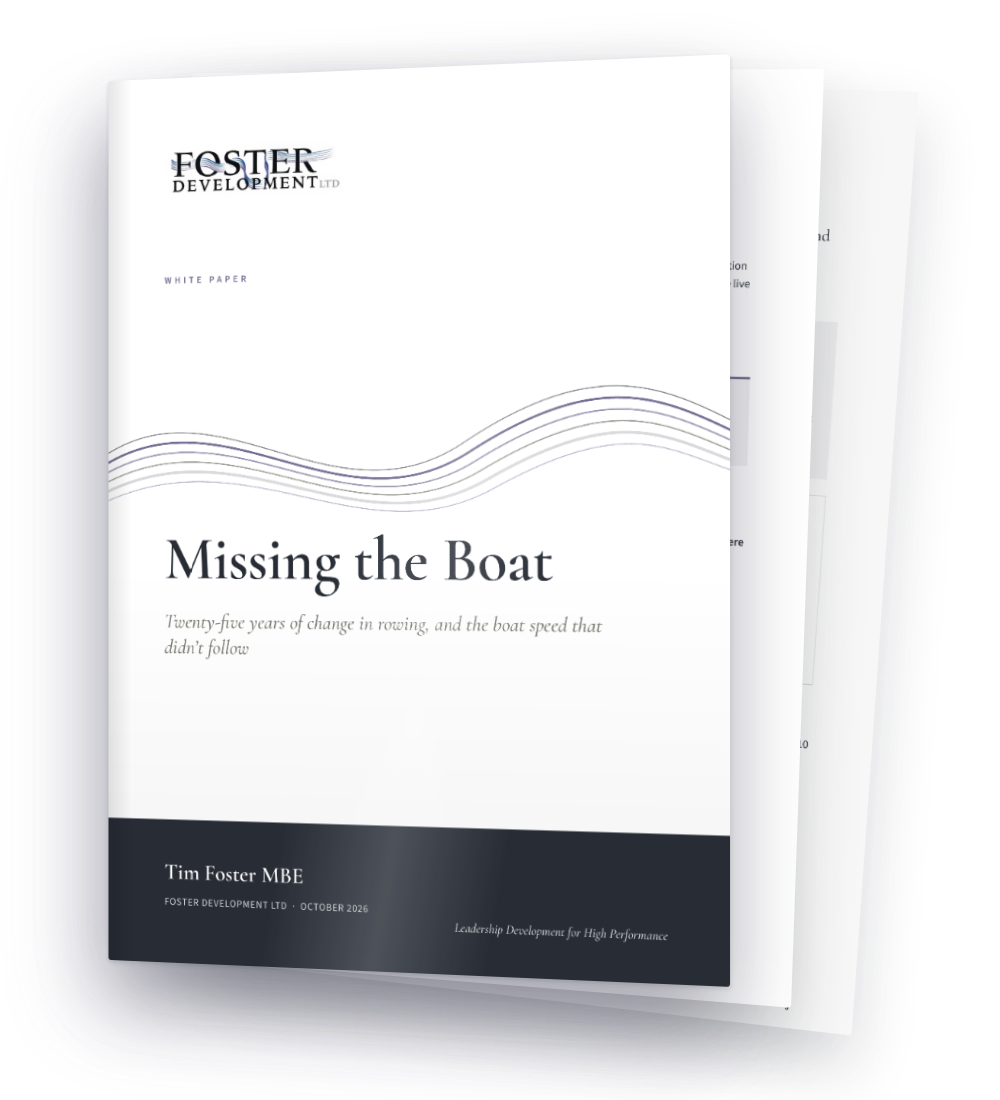
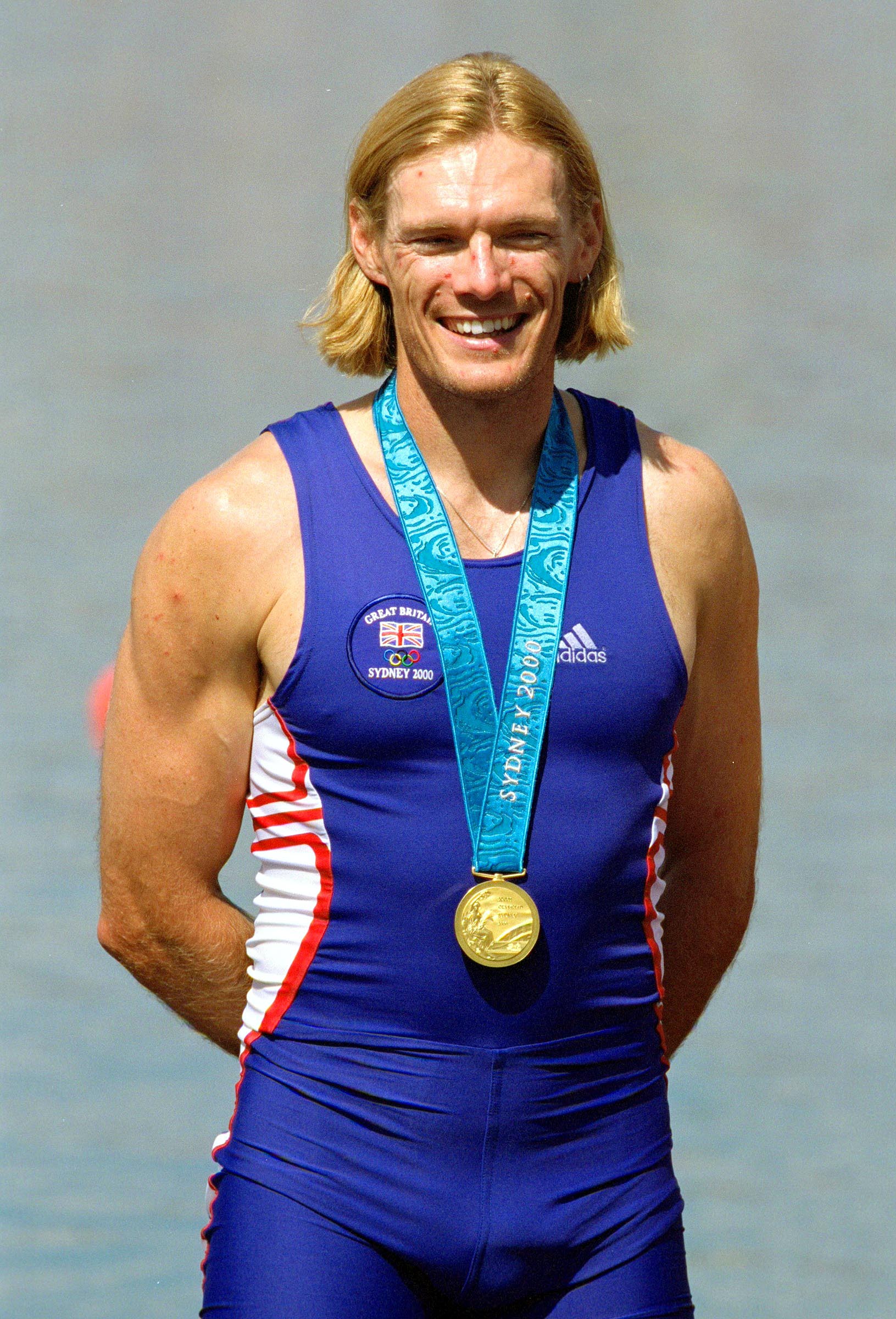
Since 2001, elite rowing has transformed. Training is more scientific and individual, athletes are monitored around the clock, and support teams now include nutritionists, psychologists, biomechanists and analysts. Boats and oars are lighter and stiffer, and every crew can have live GPS and telemetry.
Yet when Olympic champion and former international coach Tim Foster MBE analysed 25 years of World Championship and Olympic results, he found that championship boat speed had improved by only 0.55%. Over the same period, swimming improved by 2.5% and sprinting by 1.5%.
This free white paper sets out what has changed, what the data shows, and the question every high-performance sport should be asking: which of these changes are actually adding speed?
Inside the white paper
The 10 biggest changes in rowing since 2001, from wearables to the US college system
25 years of championship data, 1500 races, and why a 2001 gold medallist would, on average, still win a medal in 8 out of 12 events today.
How rowing compares with swimming and sprinting, and the question it raises for coaches, performance directors and federations